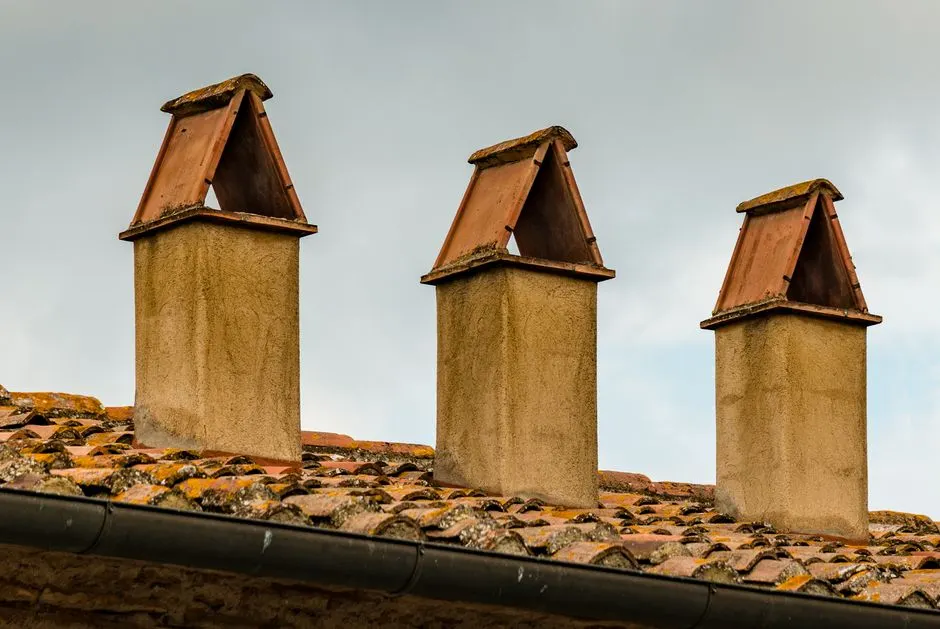
Chimney cleaning removes creosote, soot, and blockages from the flue so smoke can leave your house. A chimney inspection is a visual and often camera-based evaluation of the entire chimney system - liner, crown, flashing, mortar joints, cap, and firebox - to find damage or code problems that cleaning never touches. You need cleaning when the flue has buildup or a nest; you need an inspection when you don't know the condition of the chimney, when you're buying or selling a home, after a chimney fire, or any time you switch fuel types or appliances.
Most Franklin Town homeowners who call us actually need both, and the order matters. Here's how to figure out which one your chimney is asking for, what each service costs in 2026, and how often to schedule them.
The short answer: cleaning vs inspection
Chimney cleaning vs chimney inspection in Franklin Town, Massachusetts comes down to one question: are you removing something, or are you evaluating something? Cleaning is a maintenance task. Inspection is a diagnostic task. They use different tools, take different amounts of time, and answer different questions.
If you burned two cords of wood last winter and the flue has a quarter-inch of black, shiny creosote, you need cleaning. If you moved into a 1920s colonial near the Franklin Historical Museum and have no idea when the chimney was last looked at, you need an inspection - and probably cleaning afterward.
One more thing worth saying plainly: a cleaning is not a substitute for an inspection. A sweep who only runs a brush up the flue can tell you the flue is clear. They cannot tell you the crown is cracked, the flashing is pulling away from the roof, or the clay liner tiles have spalled. Those are the problems that cause chimney fires and water damage, and they live outside the brush's reach.
What chimney cleaning actually removes
A proper chimney cleaning service in Franklin Town, Massachusetts removes four things: creosote, soot, obstructions, and debris that has fallen into the firebox.
Creosote is the one that matters most. It's the residue left when wood smoke cools against the flue walls, and it comes in three grades. Stage 1 is a dusty, flaky coating you can brush off. Stage 2 is shiny and hardened - brushable, but it takes work. Stage 3 is glazed, tar-like, and bonded to the liner; it fuels chimney fires that reach 2,000°F and crack clay tiles. If your sweep finds Stage 3, brushing alone won't fix it. That's a rotary-loop or chemical treatment job, and it's a different price.
Cleaning also clears the things that block a flue outright:
- Bird and squirrel nests, which are common in Franklin Town chimneys that sit idle from April through September
- Leaves and twigs that drop in from overhanging oaks
- Fallen chunks of mortar or broken liner tile
- Heavy soot at the smoke shelf, which restricts draft and pushes smoke back into the room
We run a drop cloth and a HEPA vacuum on every job, so cleaning day doesn't turn your living room into a dust bowl. A standard single-flue cleaning takes 45 to 90 minutes depending on buildup and access.
What a chimney inspection actually checks
A chimney inspection is a top-to-bottom evaluation of the whole system, and the industry breaks it into three levels. Knowing which level you're getting prevents a lot of confusion when you compare quotes.
Level 1 inspection
Level 1 is the standard annual look. The technician inspects all accessible parts of the chimney - firebox, damper, flue, crown, cap, and the visible exterior - without a camera and without opening anything up. It's appropriate when nothing has changed since the last inspection and you're burning the same fuel in the same appliance. Expect 30 to 45 minutes.
Level 2 inspection
Level 2 adds a video camera scan of the flue and covers attics, crawl spaces, and accessible portions of the chimney exterior. You need a Level 2 when you buy or sell a home, after a chimney fire or earthquake, after a lightning strike, when you change fuel type or swap in a new appliance, or when you've made any structural change to the chimney. This is the inspection most real estate transactions in Franklin Town require, and it takes 60 to 90 minutes.
If you're buying a house, a level 2 chimney inspection Franklin Town is the one to ask for by name. A Level 1 on a house you've never lived in leaves too much unknown.
Level 3 inspection
Level 3 is a Level 2 plus removal of parts of the chimney or building to access concealed areas. It's rare, and it's usually triggered by a known hazard - a chimney fire, a major leak, or a failed Level 2. Because it involves demolition and rebuilding, Level 3 pricing is quoted per job, not per hour.
An inspection report should tell you the condition of the liner, the crown, the flashing, the mortar joints, the cap, the damper, and the firebox - with photos. If your inspector hands you a one-line receipt that says "chimney OK," you didn't get an inspection.
Do I need chimney cleaning or inspection in Franklin Town Massachusetts?
Do I need chimney cleaning or inspection in Franklin Town Massachusetts? Match your situation to the list below and you'll have your answer in about ten seconds.
You need cleaning if:
- You've burned a cord or more of wood since the last sweep
- You see black flaky or shiny deposits on the firebox walls or damper
- Smoke rolls back into the room when you light a fire
- You smell a strong campfire odor on humid days, even with no fire burning
- You hear scratching or chirping from the flue in spring
You need an inspection if:
- You just bought the house or are about to
- You've never had the chimney looked at, or it's been more than 12 months
- You've had a chimney fire, even a small one you put out yourself
- You see water stains on the ceiling near the chimney or rust on the damper
- You're switching from wood to gas, or adding a wood stove insert
- You notice white staining on the exterior brick, crumbling mortar, or a tilted cap
You need both if: you're a new homeowner with an unknown chimney history, you're selling, or your last cleaning was more than a year ago and you've been burning regularly. In those cases we clean first, then inspect - because a flue full of creosote hides the liner behind it.
If you're already seeing water inside the firebox or on the ceiling, that's not a cleaning problem. That's a chimney leak repair in Franklin Town, Massachusetts situation, and it gets worse every rainstorm until the flashing or crown is fixed.
How often do you need each one?
How often for chimney cleaning vs inspection in Franklin Town MA depends on how much you burn, not on the calendar alone. Here's the schedule we give customers:
- Cleaning: every 12 months if you burn regularly, or every cord of wood burned. If you only light a handful of fires a year, you can stretch to 18-24 months - but check the flue each fall.
- Level 1 inspection: once a year, every year, regardless of how much you burn. The chimney ages whether you use it or not.
- Level 2 inspection: at every home sale, after any chimney fire, after a fuel or appliance change, and after any event that could have damaged the structure.
Gas and oil flues need attention too. Gas produces water vapor and mild acid that eats mortar and metal liners from the inside, and oil soot is corrosive. An annual inspection catches both. We also recommend a chimney service Franklin Town MA visit each fall before the first cold snap, because October and November are when every sweep in the area is booked solid.
Chimney cleaning cost vs inspection cost in Franklin Town
Chimney cleaning cost vs inspection cost in Franklin Town breaks down like this for typical 2026 pricing in this area:
- Standard chimney cleaning: $200-$350 for a single flue with normal soot and Stage 1-2 creosote
- Heavy creosote removal (Stage 3): $450-$900, depending on flue length and how much glazing has to be broken down
- Level 1 inspection: $100-$200, often bundled free with a cleaning
- Level 2 inspection: $250-$500, including camera scan and written report
- Level 3 inspection: quoted per job, typically $1,000 and up once access work is included
Two flues cost more than one. A chimney with a wood flue and a furnace flue is two cleanings, not one. Steep roofs, tight roof access, and chimneys with no exterior cleanout door all add labor.
What you should not do is shop on price alone. A $79 cleaning special usually means a brush run down the flue and nothing else - no inspection, no photos, no report. You've paid for the appearance of maintenance. The cracked crown and the spalled liner are still there.
Common mistakes homeowners make
The single biggest mistake is skipping the inspection because the cleaning went fine. A clean flue and a safe flue are two different things. We've pulled brushes out of chimneys that looked spotless inside and then found a cracked crown and a rusted-through damper on the same visit.
Other mistakes we see regularly:
- Burning green or unseasoned wood. Wood needs 6-12 months to season down to 20% moisture or less. Green wood creates far more creosote per fire. A $20 moisture meter saves hundreds in cleaning.
- Burning paper, cardboard, or Christmas trees. These flare hot and send flaming debris up the flue. They also void most homeowner insurance coverage for chimney fires.
- Waiting until the first cold week to call. By then, every sweep in the region is booked two to three weeks out. Book in September.
- Ignoring a small chimney fire. A fire that burns itself out still cracks tiles and warps dampers. It requires a Level 2 inspection, not a cleaning.
- Letting a handyman "check" the chimney. A visual glance from the ground is not an inspection. It misses the flue interior, the smoke chamber, and the crown - where the real problems live.
- Sealing the chimney with the wrong product. Brick needs to breathe. Paint traps moisture and spalls the brick face within a couple of winters.
If your chimney has visible masonry damage - spalling brick, missing mortar, a leaning stack - that's beyond cleaning or inspection. That's chimney masonry repair in Franklin Town, Massachusetts, and it should be handled before the next freeze-thaw cycle widens every crack.
When to call a professional
Call a professional the moment you see any of these: creosote buildup thicker than 1/8 inch, smoke entering the room, water stains near the chimney, a cracked or missing crown, rust on the damper or firebox, or a chimney that hasn't been inspected in over a year. Those are not DIY items. Creosote removal requires rotary equipment and, at Stage 3, chemical treatment. Roof-level work requires fall protection and the right flashing materials.
At FixiqoWave, we handle both sides of the question on one visit. Our technicians clean the flue, then inspect the full system and hand you photos of anything that needs attention - with a straight price to fix it. No upsell scripts, no vague reports. If the chimney is fine, we tell you it's fine and we'll see you next year.
We work across Franklin Town and the surrounding towns, and we schedule fall appointments early because October through December fills up fast. If you're not sure whether you need cleaning, inspection, or both, call us and describe what you're seeing. We'll tell you honestly which one fits.
Frequently Asked Questions
What is the difference between chimney cleaning and chimney inspection in Franklin Town?
Cleaning removes creosote, soot, and blockages from the flue. Inspection evaluates the condition of the entire chimney - liner, crown, flashing, mortar, cap, and firebox - and produces a report. Cleaning is maintenance; inspection is diagnosis. Most homeowners need cleaning annually and a Level 1 inspection every year.
How often do I need chimney cleaning vs inspection in Franklin Town MA?
Clean every 12 months if you burn regularly, or once per cord of wood. Inspect at Level 1 every year regardless of use. Get a Level 2 inspection at any home sale, after a chimney fire, or when you change fuel type or appliance. Gas and oil flues still need annual inspection.
Can I skip chimney inspection if I get cleaning in Franklin Town Massachusetts?
No. Cleaning only addresses the inside of the flue. It tells you nothing about the crown, flashing, liner cracks, or mortar joints - the parts that cause water damage and chimney fires. A cleaning without an inspection leaves the most expensive problems unchecked.
Which is more important, chimney cleaning or inspection in Franklin Town?
Inspection is more important because it catches safety issues cleaning can't see. That said, a dirty flue is itself a fire hazard, so the two work together. If you can only afford one this year, get the inspection - it will tell you whether cleaning is urgent.
How much does chimney cleaning and inspection cost in Franklin Town?
Typical 2026 pricing: $200-$350 for a standard cleaning, $100-$200 for a Level 1 inspection, and $250-$500 for a Level 2 with camera scan. Many companies bundle the Level 1 free with a cleaning. Heavy Stage 3 creosote removal runs $450-$900.
Get help with Chimney repair in Franklin Town
Whether your chimney needs a sweep, a full inspection, or repairs you didn't know about, our team handles it in one visit and tells you exactly what we find. Call FixiqoWave at (844) 803-2151 to book your cleaning and inspection before the fall schedule fills up.